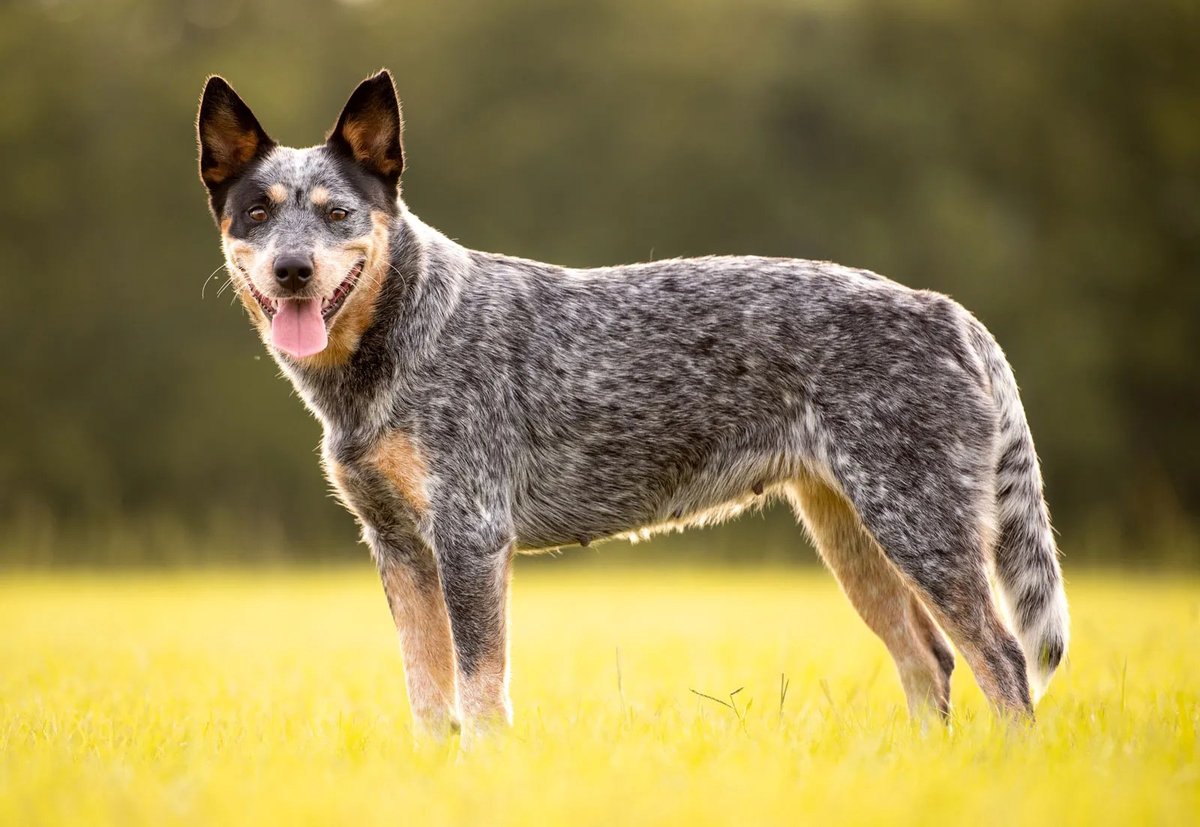
Stepping into the world of Heelers means meeting a cast of characters as tenacious, intelligent, and loyal as they come. These aren't just pretty faces; they're canine athletes, strategic thinkers, and devoted companions forged in the rugged heart of Australia. If you've ever watched a Heeler work, you understand the sheer intensity and focus that defines The Heeler Family's Breeds Explained. But what exactly is a Heeler, and what makes each member of this remarkable family unique? Let's unravel the lineage of these iconic working dogs and discover their close kin.
At a Glance: Understanding the Heeler Family
- Origin: Australia, 19th century, bred for herding cattle.
- Key Traits: High intelligence, immense loyalty, strength, stamina, boundless energy, protective nature.
- Exercise Needs: Demands significant daily physical and mental stimulation; not suited for sedentary lifestyles.
- Training: Requires early socialization and consistent, positive reinforcement.
- Ideal Owner: Active individuals or families, sportsters, hunters, and those with ample space.
- Common "Family" Members: Australian Cattle Dog (Blue Heeler, Red Heeler, Queensland Heeler), Texas Heeler, Australian Stumpy Tail Cattle Dog.
- Noteworthy Relatives: Border Collie, Australian Shepherd, Kelpie, German Shepherd, and more.
From the Outback to Your Home: A Heeler's Journey
The story of the Heeler begins in the vast, unforgiving landscapes of 19th-century Australia. Early European settlers, struggling to control wild cattle over immense distances and harsh terrain, needed a new kind of dog. Their existing herding breeds, primarily British collies, just weren't tough enough to handle the heat, the distances, or the formidable native Dingoes.
Enter farmer Thomas Hall, a visionary who began selectively breeding his collie strains with the resilient Dingo. The result? "Halls Heelers," dogs with an unparalleled ability to drive cattle by nipping at their heels – hence the "Heeler" name. Over time, these Hall's Heelers were further refined through crosses with Dalmatians (for stamina and loyalty), more Collies (for herding instincts), and Kelpies (for agility). The goal was always clear: create the ultimate working dog. Today, the Heeler family embodies that legacy, renowned for their incredible herding prowess, unwavering loyalty, and remarkable intelligence.
The Quintessential Heeler: What Makes Them Tick?
You don't just "get" a Heeler; you enter a partnership with a highly alert, energetic, and extraordinarily clever animal. Their ready-to-work stature isn't just for show; it's a fundamental part of their being.
Built for the Bush: Physical Traits
Heelers are medium-sized dogs, typically standing 17-20 inches (43-51 cm) tall and weighing 35-50 pounds (16-23 kg). They boast a well-muscled, sturdy build that speaks volumes about their endurance and power. Their short, dense, weather-resistant coats, often seen in striking blue or red speckled (mottled) patterns, are perfect for protection against the elements. These dogs are compact, agile, and built for speed and quick turns – essential for maneuvering livestock.
A Mind of Their Own: Temperament & Intelligence
Heelers are nothing if not smart. They exhibit exceptional resourcefulness and adaptability, thriving on challenge. You'll find them to be protective, loving, loyal, and incredibly fun companions for the right family. While independent thinkers, they adore companionship and truly thrive on hard work, learning new things, and positive feedback. This intelligence, combined with their strong herding instincts, means they need proper guidance to channel their drive. Without it, you might find them trying to "herd" your children or other pets with characteristic nipping behaviors. Early socialization is crucial, as they can be reserved around strangers, bonding most strongly with their immediate family.
Fueling the Fire: Energy & Stimulation Needs
This is where the rubber meets the road with Heelers. These dogs possess near-boundless energy and require high levels of both mental and physical stimulation. They are not couch potatoes. Think daily long walks, vigorous play sessions, and engaging tasks that challenge their keen minds. This innate drive makes them ideal pets for active families and singles, particularly those involved in sports, hunting, or actual cattle breeding. Heelers are highly versatile, excelling in dog sports like obedience, agility, and flyball – activities that allow them to use their brains and brawn. If you're wondering what breed is Bluey, the popular animated character, her boundless energy and intelligence perfectly encapsulate the spirit of her Australian Cattle Dog lineage.
Meet the Family: Decoding The Heeler Family's Breeds Explained
While often lumped under the general "Heeler" umbrella, several distinct types and close relatives exist, each with its own nuances. Understanding these differences is key to appreciating the richness of this family tree.
The Australian Cattle Dog: The Original Trailblazer
When people say "Heeler," they are most often referring to the Australian Cattle Dog (ACD). This is the most well-known Heeler breed, recognized by its striking blue or red mottled coats and intense, intelligent gaze. Muscular and compact, these resilient, hardy herders easily adapt to harsh environments. They possess near-boundless energy, are immensely loyal, incredibly alert, and exceptionally smart.
You might hear them called by several names:
- Queensland Heeler: This name refers to their strong association with Queensland, Australia, where they were extensively developed and used. It's essentially another name for the Australian Cattle Dog, particularly highlighting their heritage as cattle workers.
- Blue Heeler: A popular term for Australian Cattle Dogs with blue-mottled or blue-speckled coats.
- Red Heeler: The equivalent term for Australian Cattle Dogs with red-mottled or red-speckled coats.
Historically, ACDs were originally bred by crossing native Dingoes with Collies, laying the foundation for their unique combination of toughness and herding instinct.
The Texas Heeler: A Hybrid Powerhouse
The Texas Heeler isn't a purebred but a highly esteemed mixed breed, combining the robust genetics of an Australian Cattle Dog with the versatile intelligence of an Australian Shepherd. This cross results in a dog with an incredibly strong work ethic, high intelligence, alertness, and an energetic, active disposition.
Texas Heelers make loving family pets, but like their parent breeds, they can be shy with new people without proper socialization. They are not for the faint of heart or the sedentary lifestyle, requiring at least one hour of vigorous exercise daily. They absolutely thrive in environments with a large, securely fenced yard where they can run and play, making them unsuitable for small living spaces or inactive owners.
The Australian Stumpy Tail Cattle Dog: A Distinctive Lineage
A close cousin to the Australian Cattle Dog, the Australian Stumpy Tail Cattle Dog stands out due to one defining characteristic: its naturally short tail or complete lack thereof. This isn't a docked tail; it's a genetic trait that gives them a unique silhouette. Like their ACD relatives, they are intelligent, loyal, and energetic, demanding regular exercise to prevent boredom and destructive behaviors. They bond strongly with their families but maintain a reserved demeanor around strangers, making early and consistent socialization vital for a well-adjusted companion.
American vs. Australian: Clarifying "American Blue/Red Heelers"
Terms like "American Blue Heeler," "American Cattle Dog," or "Red Heeler" are often used in the United States to describe dogs that look and act very much like Australian Cattle Dogs. It's important to clarify that these are not technically distinct breeds from the Australian Cattle Dog. Rather, they are often Australian Cattle Dogs bred in the U.S. or dogs that strongly resemble them, sharing their intelligence, high energy levels, and potent herding instincts. They require the same ample physical and mental stimulation as their Australian counterparts to thrive. The "Red Heeler" specifically refers to the red-coated variety, which is simply a color variation within the Australian Cattle Dog breed, often also called an Australian Red Cattle Dog or a Queensland Heeler. They are dependable, versatile, and known for endurance, agility, and a protective nature, making them excellent watchdogs. Despite their drive, they are adaptable to various environments, including urban settings, provided their exercise needs are met.
Beyond the Core Family: Relatives and Resemblances
The Heeler family's influence extends far and wide, touching breeds that share their intense work ethic, intelligence, or unique appearance. While not "Heelers" in the strict sense, these dogs share a similar spirit.
Herding Prowess: Border Collies & Australian Shepherds
- Border Collie: Unchallenged in their herding abilities, Border Collies are renowned for their determination, skill, and stamina. Among the most intelligent dogs, they are passionately devoted to family but careful with strangers. They demand significant physical and mental investment due to their exuberant energy, sharing the Heeler's need for a job.
- Australian Shepherd: Despite their name, these energetic and athletic dogs originated in California, becoming a top choice for cowboys needing a herder. As family pets, they tend to "herd" children and other pets, mirroring a common Heeler trait. Exceptionally intelligent, they are not suited for sedentary lifestyles and excel in activities like agility and obedience.
Working Drive: Belgian Malinois & German Shepherds
- Belgian Malinois: Confident, dedicated, and hardworking, with a lean, muscled build, Malinois form strong bonds with owners. They thrive with human companionship and open spaces, not tolerating long periods alone. Their intense drive and high prey drive often lead to them being mistaken for German Shepherds, though they have a shorter, thicker coat.
- German Shepherd: One of the most recognizable and popular dogs globally, German Shepherds were originally bred for herding before becoming widely known as guard and police dogs. Valued for their intelligence, versatility, adaptability, and unwavering loyalty, they are easily trained, make outstanding family pets, and are incredible watchdogs due to protection being ingrained in their DNA.
Unique Charms: Old English Sheepdog & Cardigan Welsh Corgi
- Old English Sheepdog: An expert sheep herder, this breed is cuddly and soft externally but powerful, fleet-footed, and intelligent beneath their shaggy coat. They display courage and playfulness, making amazing guard dogs and family pets due to their love of human interaction.
- Cardigan Welsh Corgi: Don't let their small frames and short legs fool you; Cardigan Welsh Corgis are perfectly built as herding dogs. They possess a gentle, loving temperament but a quickness to take charge, demonstrating surprising speed, agility, and determination. Friendly and loving, they are ideal for active families, born to play and work outdoors.
Hardy Herders: Finnish Lapphund, Bergamasco Sheepdog, Bearded Collie
- Finnish Lapphund: A rugged dog suited for all weather, originally herding reindeer in the Arctic. They have a sturdy, muscular body and a thick protective coat. Fiercely loyal to owners, they prefer distance from strangers and can show signs of depression if left alone for extended periods, much like many working breeds. They joined the AKC in 2011.
- Bergamasco Sheepdog: Known for its distinctive dreadlocked coat, this devoted worker is anxious to please and an ideal heeler. Extremely smart, loyal, and loving, they are easily trained and make great companions for children. Their thick coat makes them hardy in cold weather, originating from the Italian Alps.
- Bearded Collie: Boisterous and clever, with a personality to match, these dogs are recognizable by their long ears and shaggy coat. Originating from Scotland, they were natural livestock drivers and are hard workers. They need ample space to run and require plenty of physical and mental stimulation to prevent boredom, making them ideal family pets and playmates.
The Unofficial Heeler: Australian Kelpie & German Coolie
- Australian Kelpie: Often considered an unofficial Heeler, the Kelpie is primarily known for sheep herding but also used for cattle. Highly intelligent, hardworking, and agile, they have an innate instinct for livestock movement and excel in dog sports like sheepdog and obedience trials, thriving with a job and active lifestyle. Their energy levels and drive are very similar to Heelers.
- German Coolie / Australian Koolie / Coolie: Known for strong herding abilities and loyalty, these dogs share many Heeler characteristics. Versatile and trainable, they are used for herding and excel in dog sports. They thrive with routine and a job, forming strong bonds with families, and requiring regular mental and physical stimulation, much like their Heeler cousins.
Living with a Heeler: Nurturing a Working Mind and Body
Bringing a Heeler into your life is a commitment to an intelligent, active, and devoted companion. Their needs are specific, but the rewards are immeasurable.
Training & Socialization: Building a Confident Companion
Early training and socialization are not just recommended for Heelers; they are absolutely crucial. These dogs possess keen minds and strong wills, which, if not properly directed, can lead to behavioral challenges. Emphasize consistency, positive reinforcement, and clear communication. Mental stimulation through challenging tasks, puzzle toys, and learning new commands is just as vital as physical exercise. Heelers respond best to firm yet gentle guidance, thriving when they understand their boundaries and purpose. Their natural protectiveness means early exposure to various people, places, and other animals is essential to develop a well-adjusted adult dog.
Exercise & Enrichment: Fueling Their Boundless Energy
Heelers are not suited for inactive lifestyles or small living spaces without a large, securely fenced yard. They require ample daily exercise, which means more than just a quick walk around the block. Think long hikes, jogging, agility courses, flyball, or extended playtime in a safe, open area. Without sufficient physical and mental outlets, boredom can quickly set in, manifesting as undesirable behaviors like excessive barking, digging, or destructive chewing. These dogs truly thrive in environments where they have space to run and a "job" to do, whether it's formal dog sport training or just engaging in stimulating games with their owner.
Health & Longevity: What Every Owner Should Know
Like all breeds, Heelers can be predisposed to certain health concerns. Potential issues include hip dysplasia (a common joint condition), progressive retinal atrophy (PRA), and congenital deafness. Responsible breeding practices that include genetic screenings can significantly help reduce the incidence of inherited conditions. Regular veterinary check-ups, a balanced, high-quality diet appropriate for their activity level, and consistent exercise are essential for maintaining their health and ensuring a long, vibrant life. Most Heelers enjoy a lifespan of 12-16 years with proper care.
Making the Match: Choosing and Adopting Your Heeler
When considering a Heeler, it's vital to research the specific needs of the breed or mix you're interested in. Think about your lifestyle: do you have the energy, time, and space to meet their high exercise demands? Are you prepared for the commitment to consistent training and mental stimulation?
Consulting reputable breeders or rescue organizations can provide invaluable insight and help you find a suitable companion. A good breeder will be transparent about health screenings and temperament, while rescue organizations often have Heelers of all ages looking for forever homes. Adopting a rescue Heeler offers a loving home to a dog in need, though these dogs may require extra patience and specific training due to past experiences. They often benefit immensely from a stable, structured environment and the unwavering love of a committed family.
Your Next Step: Welcoming a Heeler into Your Life
Whether you're drawn to the classic Australian Cattle Dog, the spirited Texas Heeler, or one of their many resilient relatives, bringing a Heeler into your life is an adventure. These dogs offer boundless loyalty, intelligence, and companionship, forming deep bonds with their families. They will challenge you, entertain you, and ultimately enrich your life in ways only a truly exceptional canine can. By understanding their history, their unique needs, and their incredible potential, you're well-equipped to embark on a fulfilling journey with a member of this remarkable Heeler family.