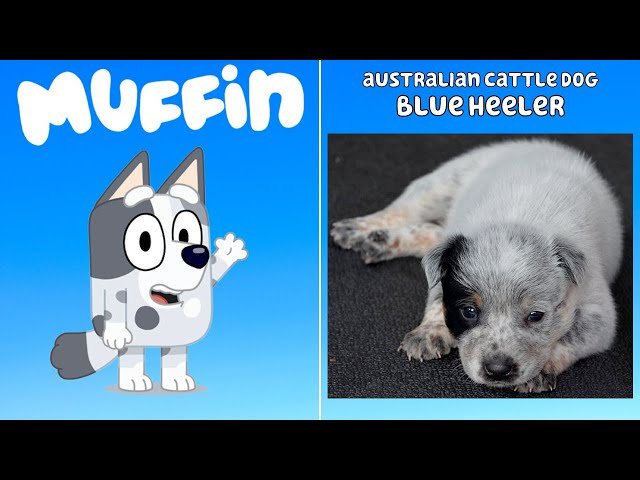
The animated world of "Bluey" has charmed millions globally, introducing a generation to the delightful antics of a big-hearted, imaginative Australian Cattle Dog. But as adorable and aspirational as the Bluey family is, 'The 'Bluey Effect' on Australian Cattle Dog Popularity' has created a significant mismatch between the public's perception and the reality of living with this unique breed. While the show beautifully captures the spirit of family and play, it understandably doesn't delve into the profound commitment required to raise a real-life Blue Heeler.
Let's be clear: a real Australian Cattle Dog (ACD) isn't a passive couch potato waiting for a cuddle. They are brilliant, driven, and intensely loyal working dogs, purpose-bred for the harsh Australian outback. This guide will peel back the cartoon veneer to reveal the true nature of the ACD, helping you understand if this incredible, demanding breed is genuinely the right fit for your life.
At a Glance: Understanding the Australian Cattle Dog
- Brainy & Brawny: Exceptionally intelligent and physically robust working dogs.
- Energy Hogs: Require at least 1.5–2 hours of vigorous physical and mental exercise daily.
- Purpose-Driven: Thrive with a job or structured activities; prone to destructive behavior without them.
- Independent Thinkers: Smart, but not always "easy"; need consistent guidance and training.
- Health Considerations: Prone to specific hereditary issues like Hip Dysplasia, PRA, and Congenital Deafness.
- Not for Everyone: Ideal for active, experienced owners who can commit to their demanding lifestyle.
The Allure of the Blue Heeler: A Show vs. Real Life Perspective
It's easy to fall in love with Bluey. She's witty, curious, and a fantastic big sister. The show portrays a dynamic family life, full of imaginative games and strong bonds. It’s no wonder interest in what dog breed is Bluey has skyrocketed. People see the intelligence, the striking appearance, and the family-friendly vibe, and they're instantly captivated.
But here's the crucial pivot: that captivating intelligence and energy in a real ACD are not for casual admiration. They are fundamental drivers that, if misunderstood or unfulfilled, can lead to significant challenges for both the dog and its human family. The "Bluey Effect" shines a spotlight on the breed, but it also casts a long shadow of potential misunderstanding. Owning an ACD is less about having a whimsical playmate and more about partnering with a highly capable, driven athlete who needs a job to do.
Beyond the Screen: The ACD's True Nature
The Australian Cattle Dog, often affectionately called a Blue Heeler or Red Heeler, was developed in 19th-century Australia to herd cattle over vast, rugged distances. This isn't just a fun fact; it's the key to understanding everything about them. They are literally genetically wired to move, think, and make independent decisions in a demanding environment.
Think of it this way: their ancestors were responsible for keeping hundreds of cattle moving in the right direction, often without direct human commands. This required immense stamina, problem-solving skills, and a certain level of bossiness. Today’s ACDs retain these traits. They are:
- Intelligent and Observant: They pick up on things quickly – for better or worse. This means they learn commands fast, but they also learn your routines, your weaknesses, and how to open the pantry door.
- Independent Thinkers: They aren't inherently "yes dogs." They will often evaluate a command or situation and decide if it makes sense to them. This isn't stubbornness; it's the heritage of a dog bred to work somewhat autonomously.
- Naturally Herding: This instinct is powerful. They may attempt to "herd" children, other pets, or even adults by nipping at heels, circling, or nudging. It's not aggression, but a hardwired behavior that needs careful management and redirection, especially in a family setting.
- Loyal to a Fault: Once an ACD bonds with you, they are incredibly devoted. This loyalty often extends to protectiveness, making them excellent watchdogs, but also requiring careful socialization to ensure they differentiate between perceived threats and normal interactions.
Fueling the Fire: The Unnegotiable Exercise Demands
This is where many aspiring ACD owners hit a wall. When we talk about "high energy," we're not talking about a quick walk around the block. An ACD requires significant daily physical and mental stimulation. Think of it as their daily job.
Physical Exercise (Minimum 1.5–2 hours daily):
This isn't just about burning off steam; it's about fulfilling their breed-specific need to move.
- Vigorous Activities: Long, brisk walks, running (once cleared by a vet for growth plates), hiking, swimming, or playing extensive games of fetch are essential.
- Dog Sports: Many ACDs excel in sports like agility, flyball, disc dog, or competitive obedience. These activities provide both physical exertion and mental challenge.
- Working Opportunities: If you have access, actual herding work is ideal, but for most, simulated activities work too.
Mental Exercise (Just as Crucial):
A physically tired ACD is good, but a mentally tired ACD is even better. These dogs need to use their brains. - Puzzle Toys: Investing in a variety of challenging puzzle toys that dispense treats or require manipulation can keep their minds engaged for extended periods.
- Obedience and Trick Training: Consistent training is not just for good manners; it's a mental workout. Teaching new tricks, refining commands, and practicing advanced obedience are vital.
- Scent Work: ACDs have excellent noses. Scent work, where they learn to find hidden items or follow scent trails, is a fantastic way to engage their problem-solving skills.
- Structured Tasks: Give them a "job" around the house. This could be carrying in the mail, helping to retrieve laundry, or simply being rewarded for staying on their mat while you cook.
Without this dual approach to exercise, you're not just dealing with a bored dog; you're dealing with an ACD whose fundamental needs are unmet. A tired Heeler, both body and mind, is typically a well-behaved Heeler.
Common Pitfalls: What Happens When an ACD Isn't Challenged
Neglecting an ACD's exercise and mental stimulation requirements isn't just inconvenient; it can be destructive and heartbreaking. These dogs don't "turn off." Their energy and intelligence will find an outlet, and if you don't provide a constructive one, they will invent their own.
Typical signs of an under-stimulated ACD include:
- Destructive Chewing: Your furniture, shoes, walls – nothing is safe. This is an outlet for boredom and excess energy.
- Excessive Barking: Barking at everything and nothing, often out of frustration or a need to alert.
- Digging: Creating craters in your yard, trying to "herd" imaginary vermin, or simply expending energy.
- Herding Children (or Pets): Nipping at heels, circling, or pushing family members. While instinctual, it's unacceptable and needs immediate redirection.
- Anxiety and Restlessness: Pacing, whining, inability to settle, or exhibiting separation anxiety.
- "Velcro Dog" Tendencies: While loyal, an under-exercised ACD can become overly demanding, constantly seeking attention and unable to be left alone.
These behaviors aren't signs of a "bad" dog; they're distress signals from a dog whose needs aren't being met. Understanding this distinction is crucial for responsible ownership.
The Health of Your Heeler: What to Expect and How to Prepare
Australian Cattle Dogs are generally tough, hardy, and long-lived. However, like many purebreds, they are prone to several hereditary and chronic health issues that prospective owners must be aware of. Responsible breeding practices significantly reduce these risks, but preparation is key.
- Progressive Retinal Atrophy (PRA): A group of degenerative eye diseases that eventually lead to blindness. Reputable breeders will screen their breeding dogs for PRA.
- Hip Dysplasia (HD) and Elbow Dysplasia (ED): Malformations of the hip or elbow joints that can cause pain, arthritis, and mobility issues. Screening via the Orthopedic Foundation for Animals (OFA) is standard for ethical breeders.
- Congenital Deafness: Affecting 10–15% of the breed, particularly those with extensive white markings on the head. This can be unilateral (one ear) or bilateral (both ears). BAER (Brainstem Auditory Evoked Response) testing can detect deafness in puppies as young as six weeks old.
- Osteochondritis Dissecans (OCD): A condition affecting cartilage development, often in the shoulders or elbows, leading to lameness.
- Allergies: ACDs can suffer from environmental and food allergies, manifesting as chronic itching, skin infections, ear problems, or gastrointestinal upset. These can be mistaken for behavioral issues if the dog is constantly scratching and agitated.
What to Ask a Breeder: Always ask for health clearances for both parents, including OFA certifications for hips and elbows, BAER hearing test results, and CERF (Canine Eye Registry Foundation) or OFA eye evaluations for PRA. For rescues, a thorough veterinary exam and potentially allergy screening if symptoms arise are highly recommended.
Is an ACD Right For You? A Candid Self-Assessment
Before bringing an Australian Cattle Dog into your home, take an honest look at your lifestyle and expectations. This isn't about whether you love dogs; it's about whether you can truly meet the specific needs of this dog.
An ACD may not be the right dog for you if:
- You Live in a Small Apartment or Lack a Yard: While some urban ACDs thrive with dedicated owners, a lack of consistent, safe outdoor space for vigorous activity makes life much harder for both of you. A yard is not a substitute for exercise, but it's a valuable supplement.
- You Prefer a Low-Maintenance or Sedentary Lifestyle: If your ideal evening is quiet and relaxed, an ACD will challenge that. They need to be doing something, and they'll expect you to be part of it.
- You Have Very Young Children and Limited Time for Training: Managing a high-energy herding dog and young children simultaneously requires exceptional time, patience, and consistent training. The herding instinct can be challenging for toddlers.
- You Cannot Commit to 1.5–2 Hours of Daily Physical and Mental Exercise: This is non-negotiable. If you can't provide this consistently, you will end up with a frustrated, destructive dog.
- You Desire an Easygoing, Always Obedient Dog: ACDs are intelligent partners, not passive followers. They thrive on collaboration and guidance, not just commands. They can be opinionated.
- You're a First-Time Dog Owner Unprepared for a Challenge: While not impossible, an ACD is generally not recommended for novice owners due to their high drive and independent nature.
If you read that list and thought, "Yes, I can do all that," then you might be ready for the incredible partnership an ACD offers.
Dispelling Myths: What 'Bluey' Doesn't Tell You
The character Bluey is a fantastic ambassador for the breed, but one aspect of ACD lore can be particularly misleading: the idea of extreme longevity. The original Bluey, a real Australian Cattle Dog owned by Les and Rosalie Hall, holds the Guinness World Record for the oldest verified dog, living an astounding 29 years and 5 months (June 7, 1910 – November 14, 1939). She was a working cattle and sheep dog for about 20 years.
While Bluey's story is inspirational, it's crucial to understand she was an extreme anomaly. A study prompted by Bluey's age (and claims of another ACD mix, Chilla, living 32 years) found that the average Australian Cattle Dog longevity is 13.41 years. This is almost a year longer than most dogs of similar weight, which is excellent, but nowhere near 29 years.
The Takeaway: Expect your ACD to be a loyal companion for well over a decade, but don't set your expectations on a three-decade lifespan based on an extraordinary historical exception. Guinness World Records now requires microchip data and documentary evidence for every year of a dog's life for longevity records, a testament to the rarity of such claims. Focus on giving your Heeler a high-quality, fulfilling life for their expected lifespan.
Finding Your Future Friend: Reputable Breeders vs. Rescues
Once you've thoroughly assessed your readiness for an Australian Cattle Dog, the next step is finding one. Ethical sourcing is paramount.
- Reputable Breeders: A good breeder focuses on health, temperament, and adherence to breed standards. They will:
- Health test their breeding dogs extensively (OFA, BAER, CERF/OFA Eye).
- Be transparent about their practices and allow you to meet the puppy's parents.
- Be eager to educate you and ask you many questions to ensure a good fit.
- Provide support and guidance for the lifetime of your dog.
- Have waiting lists and will not have puppies "available now" all the time.
- ACD Rescues: There are many wonderful ACDs in rescues and shelters, often because previous owners underestimated their needs. Rescues often:
- Have a thorough adoption process to ensure the right match.
- Provide foster homes where the dog's temperament and habits can be assessed.
- Will be upfront about any known health or behavioral issues.
- Offer adult dogs whose personalities are already developed, which can be a huge benefit.
Avoid pet stores, online classifieds with no health information, or breeders who won't allow you to visit their facility. These are often puppy mills or irresponsible backyard breeders.
The True Reward: A Call to Responsible Ownership
The "Bluey Effect" has certainly made the Australian Cattle Dog more visible, but it's vital that this increased interest is matched by increased education and responsibility. Owning an ACD is not for the faint of heart, but for the right person or family, it is an incredibly enriching experience.
When you commit to an ACD, you're not just getting a pet; you're gaining a highly intelligent, intensely loyal, and tirelessly energetic partner. They will challenge you, push you to be more active, and require a significant investment of your time and effort. But in return, they offer unparalleled companionship, unwavering devotion, and the joy of witnessing a truly magnificent working breed in action.
If you're prepared for the commitment – the long walks, the training, the mental games, and the occasional herding nip – then the unique journey with an Australian Cattle Dog might just be the most rewarding adventure you ever embark on. It's a journey far richer and more complex than any cartoon could capture, and it's one that deserves your thoughtful consideration and full dedication.