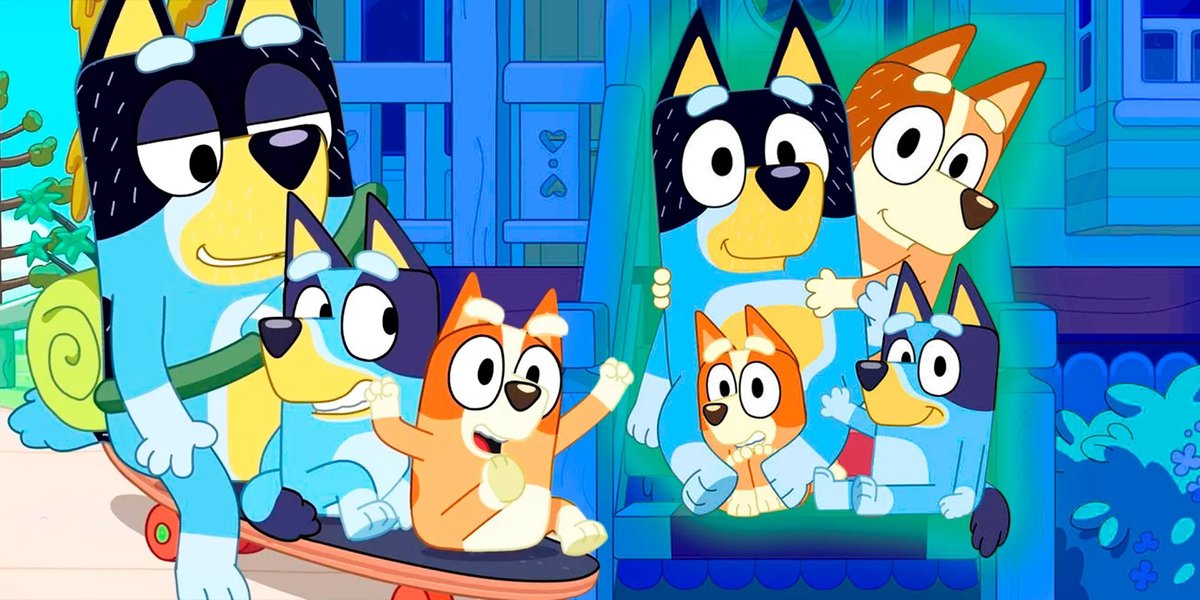
Ask any parent of a young child about "Bluey," and you'll likely get an enthusiastic earful about the 6-year-old blue pup from Australia who fills her days with imaginative games and family adventures. But beyond the catchy theme song and relatable family dynamics, a common misconception often surfaces: What kind of dog is Bluey, really? Many assume she's a generic cartoon dog, or perhaps even a unique, fictional breed.
Yet, Bluey and her family are deeply rooted in a very real, very distinctive canine lineage. Understanding her breed not only clarifies the cartoon's authenticity but also sheds light on the actual traits, temperament, and needs of these remarkable dogs. If you've ever wondered about the actual canine behind the animated star, prepare to have your assumptions joyfully corrected.
At a Glance: Bluey's Breed Unpacked
- She's a Real Breed: Bluey is an Australian Cattle Dog, commonly known as a Blue Heeler.
- The "Heeler" Name: Comes from their herding instinct to nip at cattle's heels.
- Color Confusion: ACD puppies are born white; their distinctive blue or red ticking develops later.
- High Energy, High Intellect: This breed isn't a couch potato; they thrive on physical and mental stimulation.
- Not for Everyone: Australian Cattle Dogs require significant commitment from owners—they're loyal but demanding.
- Popularity Pitfall: The show's popularity highlights the need for prospective owners to research thoroughly before adopting.
The Big Reveal: What Dog Is Bluey (and Her Family)?
Let's clear the air right away. Bluey, her sister Bingo, and their parents Bandit and Chilli aren't just any dogs; they are Australian Cattle Dogs. More specifically, Bluey and her dad, Bandit, are Blue Heelers, while Bingo and Chilli are Red Heelers. Even their full name, "Bluey Heeler," is a playful nod to her heritage.
The "heeler" part of their name isn't just for show; it's a direct reference to their historical role as working dogs. These robust canines were bred to herd cattle across vast Australian landscapes, often "heeling" (nipping at the heels) of livestock to encourage movement. This gives you a first glimpse into their energetic and determined nature. If you've ever found yourself asking What type of dog is Bluey?, know that the answer points to a breed celebrated for its intelligence and hardiness.
Australian Cattle Dogs are medium-sized powerhouses. Think strong, muscular builds, wide heads, deep muzzles, and those characteristic pointed ears always on alert. Females typically stand 17-19 inches tall, males slightly larger at 18-20 inches, with a weight range of 35-50 pounds. Their typical lifespan is a respectable 12-16 years, a testament to their tough constitution.
Beyond the Blue: Understanding Australian Cattle Dog Colors
One of the most common misconceptions about Bluey's breed revolves around their distinctive coat colors. Many assume that a "Blue Heeler" is simply born blue, or that "Red Heelers" are a completely separate breed. The reality is far more fascinating.
Born White: The Puppy Surprise
Perhaps the biggest revelation for many is that Australian Cattle Dog puppies are born almost entirely white. Yes, Bluey and Bingo started out as little white fluffballs! Their characteristic blue or red ticking and roaning patterns, which give them their mature appearance, develop over the first few weeks of life. This serves a practical purpose related to their heritage: it's believed to be a trait inherited from their Dalmatian ancestors, who were used in the breed's development.
Unpacking the "Blue" and "Red"
- Blue Heelers: A blue heeler's coat isn't actually blue in the way a crayon might be. Instead, it's a striking blend of a black base coat with an intermingling of white hairs. This creates a mottled or speckled appearance that ranges from slate-gray to a steely blue. They often have additional black or tan markings, particularly on the head or legs, adding to their unique look.
- Red Heelers: Similarly, red heelers feature a red or reddish-brown base coat blended with white hairs, resulting in a vibrant red-speckled or mottled appearance. They might also display darker red or tan markings.
- Less Common Shades: While blue and red are standard, you might occasionally encounter less common, non-standard colors like Chocolate (a brown base with lighter brown markings) or Cream/White (a light, cream-colored base). These variations, while not typical for the breed standard, are part of the genetic tapestry.
Adult ACDs often retain a distinct white marking on their forehead, sometimes referred to as a "Bentley Mark." Some also display white patterns or a dark "mask" over one or both eyes, adding to their individuality. So, when you see Bluey's golden yellow snout and dark blue spots, it's a simplified, animated representation of a truly complex and beautiful coat pattern.
More Than Just a Cartoon: The Real History of the Australian Cattle Dog
The animated world of Bluey often showcases her adventurous spirit and clever problem-solving, traits that are deeply ingrained in the Australian Cattle Dog's origins. This isn't a coincidence; the breed was purpose-built for one of the toughest jobs on Earth.
Developed in 19th-century Australia, these dogs were specifically bred to herd cattle over long distances in the continent's often harsh and unforgiving conditions. Early efforts involved crossbreeding collies with native dingos, creating what were known as "Halls Heelers." Later, other breeds like Kelpies and even Dalmatians were introduced to refine their stamina, endurance, and unique coat patterns. The result was a dog perfectly adapted to the challenges of Australian ranching—a resilient, intelligent, and tireless worker.
Understanding this history is crucial because it directly informs the breed's characteristics today. They aren't just cute; they are the descendants of working heroes.
Mind of a Heeler: Intelligence, Energy, and Temperament
Bluey's boundless energy and knack for inventing intricate games are perhaps the most accurate animated depictions of an Australian Cattle Dog. These aren't lazy dogs; they are brilliant, active, and require a lot from their human companions.
A Brain to Match the Brawn
Australian Cattle Dogs are renowned for their high intelligence. They are incredibly quick learners, capable of understanding complex commands and solving problems. This sharp mind, however, is a double-edged sword. Without sufficient mental and physical stimulation, their intelligence can quickly lead to boredom, which often manifests as mischievous, destructive, or even neurotic behavior. If you're not giving a Heeler a "job," they'll invent one—and you might not like their choices!
The Herding Instinct: Nipping and Beyond
That "heeler" instinct to nip at the heels of cattle is still very much present in the breed today, even in pet dogs. While they won't typically bite a person, they might "herd" family members, especially children, by nipping playfully at ankles or bumping with their noses. This isn't aggression; it's an ingrained instinct. It's a crucial behavior for prospective owners to understand and manage with appropriate training and outlets.
Loyal and Protective Family Members
Australian Cattle Dogs form incredibly strong bonds with their families. They are typically bold, confident, and can be quite protective, making them excellent guardians of their home and loved ones. However, their protective nature means early and thorough socialization is vital to ensure they are well-adjusted and comfortable around strangers and other animals.
Living with a Bluey: What Prospective Owners Really Need to Know
If Bluey's antics have you considering an Australian Cattle Dog for your own family, it's essential to move beyond the cartoon and understand the real-world commitment involved. These dogs are truly wonderful companions, but only for the right household.
Daily Requirements: Exercise and Mental Stimulation
This is non-negotiable for an Australian Cattle Dog. They require a significant amount of physical activity—we're talking 60-90 minutes of varied, vigorous exercise daily. This isn't just a casual stroll around the block; it means running, hiking, structured fetch sessions, or even canine sports like agility.
Beyond physical exertion, their brilliant minds need to be engaged. Daily mental stimulation, such as puzzle feeders, scent games (like hide-and-seek with treats), or learning new tricks, is crucial. Aim for 10-20 minutes of dedicated obedience or trick training each day. Variety is key; avoid repetitive activities like endless fetch, which can lead to obsessive behaviors. Structured rest days are also important to prevent over-exercising and injury.
Training for Success: Nipping and Herding Instincts
Early socialization is paramount for an ACD. Expose puppies to a wide range of sights, sounds, people, and other well-behaved dogs from a young age to foster confidence and prevent fear-based reactions.
When it comes to training, consistency, positive reinforcement, and clear boundaries are your best friends. Because of their herding instincts and natural mouthiness, teaching impulse control commands like "leave it" and "wait" is invaluable. For families with small children, it's vital to teach kids how to interact safely with the dog (e.g., "be a tree" when a dog is nipping) and provide appropriate outlets for the dog's mouthiness, such as tug games with rules or flirt poles.
Grooming & Health: Keeping Your Heeler Happy
Grooming an Australian Cattle Dog is relatively low-maintenance. Their double coat requires weekly brushing to remove loose hair and keep their skin healthy. Expect heavier shedding seasonally, during which daily brushing might be needed.
Generally, ACDs are a healthy and robust breed, often living 12-15 years. However, like all breeds, they are prone to certain genetic conditions. Common health considerations include:
- Hip and Elbow Dysplasia: Joint conditions that can lead to arthritis.
- Progressive Retinal Atrophy (PRA): An eye disease that can cause blindness.
- Congenital Deafness: Can affect one or both ears.
Responsible breeders will health-test parent dogs for these conditions, including X-rays for hips and elbows, eye examinations, and BAER hearing tests. Always ask for these health clearances when considering a puppy. Maintaining a lean body condition and providing a balanced, high-quality diet are also crucial for their long-term health.
The "Bluey" Effect: Responsible Ownership in the Spotlight
The immense popularity of the "Bluey" series has undoubtedly brought the Australian Cattle Dog breed into the global spotlight. While this is wonderful for raising awareness of a fantastic breed, it also underscores the critical need for prospective owners to do their homework thoroughly.
An Australian Cattle Dog is an excellent family companion—but only for active households that are genuinely committed to daily outdoor activity, consistent training, mental enrichment, engaging games, and clear routines. They are decidedly not suitable for sedentary lifestyles, first-time dog owners who underestimate their needs, or individuals with limited time for training and exercise.
Before bringing an Australian Cattle Dog into your home, take the time to:
- Research the breed extensively: Go beyond the cartoon and truly understand their historical purpose and inherent traits.
- Meet adult Heelers: Spend time with adult Australian Cattle Dogs to get a realistic sense of their energy levels and temperament. Talk to owners.
- Seek ethical sources: Commit to finding a reputable, ethical breeder who health-tests their dogs and prioritizes temperament, or explore reputable breed-specific rescues that can match you with an ACD in need of a loving home.
Choosing to bring an Australian Cattle Dog into your life is a significant decision. With the right commitment, training, and understanding, you'll discover a loyal, intelligent, and endlessly entertaining companion—a real-life Bluey (or Bingo!) ready to fill your days with adventure, just like their animated counterparts.