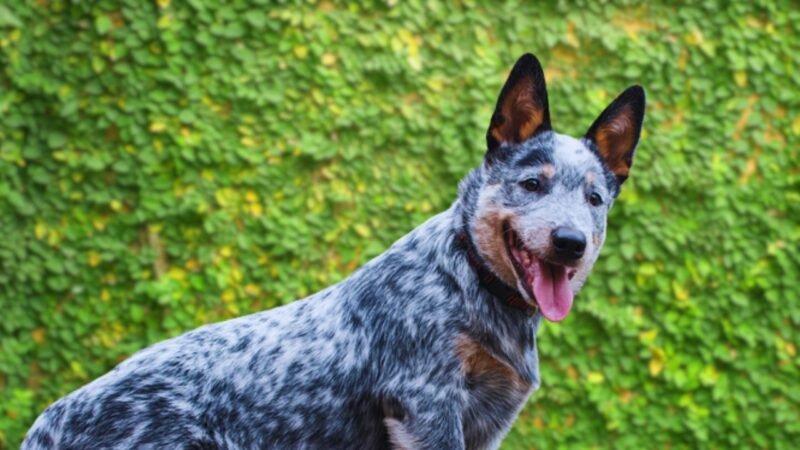
In the vibrant world of children's television, few characters have captured hearts quite like Bluey, the energetic and imaginative cartoon dog. But beyond the screen, a real-life breed inspires this beloved character, bringing to life the spirited nature and distinctive look that makes Bluey so appealing. Understanding Bluey's Specific Breed & Characteristics means diving into the fascinating world of the Australian Cattle Dog, often affectionately known as a Blue Heeler.
This isn't just a guide about a cartoon character; it's an exploration of a remarkable canine, revealing the depth of intelligence, energy, and loyalty that defines one of Australia's most iconic breeds. Whether you're a fan of the show, a prospective dog owner, or simply curious, prepare to uncover the true nature of this working dog, a breed as unique and engaging as Bluey herself.
At a Glance: The Australian Cattle Dog (Blue Heeler)
- Breed Origin: Australia, developed for herding cattle.
- Key Ancestry: Dingo, Collie, Kelpie, and Dalmatian.
- Coat Type: Short, dense double coat; typically blue-gray (Blue Heeler) or reddish (Red Heeler).
- Temperament: Highly intelligent, extremely energetic, loyal, protective, can be reserved with strangers.
- Needs: Demands significant daily exercise and mental stimulation.
- Notable Trait: Strong herding instinct, sometimes "heeling" or nipping.
- Best Suited For: Active individuals or families with experience in dog training and a commitment to outdoor activities.
Decoding Bluey's Pedigree: The Australian Cattle Dog Unveiled
When you see Bluey's distinctive markings and tireless energy, you're getting a glimpse into the heart of a truly special canine: the Australian Cattle Dog (ACD). These dogs are not just pets; they are living legacies of the Australian outback, bred for resilience, smarts, and an unparalleled work ethic.
Beyond the Screen: Meet the Real Bluey
The animated Bluey embodies many of the quintessential traits of her breed – she’s clever, playful, and always on the move, reflecting the high-octane nature of a real Australian Cattle Dog. Often called "Blue Heelers" due to their common blue-gray coat and their historical tendency to nip at the heels of cattle to move them, these dogs are powerhouse animals wrapped in a medium-sized package. They are compact, muscular, and built for endurance, perfectly equipped for the demanding life they were bred for.
This breed’s entire existence is rooted in a specific purpose: to manage livestock across vast and often harsh Australian landscapes. It’s a job that required not just physical prowess but also immense mental fortitude and a deep connection with their human partners.
A Heritage of Grit: Where Blue Heelers Began
The story of the Australian Cattle Dog is one of ingenuity and adaptation. In the early 19th century, Australian cattle farmers needed a dog capable of controlling semi-wild cattle over long distances and rugged terrain, a task too difficult for European herding breeds like the Old English Sheepdog or Collie, which struggled with the heat and rough conditions.
The solution was a groundbreaking cross-breeding program that blended the best traits of several breeds. Early attempts involved crossing British Collies with the native Dingo, imparting the Dingo's toughness, stamina, and silent working style. This foundation was then further refined by introducing elements of the Dalmatian (for loyalty and ability to work with horses) and the Black and Tan Kelpie (for keen herding ability and trainability). The result was a dog perfectly suited to the unique challenges of the Australian frontier. This rich genetic tapestry is why they are so robust and multifaceted, carrying the intelligence of a Collie, the hardiness of a Dingo, the loyalty of a Dalmatian, and the herding drive of a Kelpie.
The Signature Look: A Coat of Many Colors
One of the most recognizable characteristics of the Australian Cattle Dog is its coat. While "Blue Heeler" suggests a single color, these dogs exhibit two primary color patterns:
- Blue Heelers: Featuring a distinctive blue-gray mottled or speckled coat, often with black patches, and sometimes tan markings on the legs and face. This striking coloration is what gives Bluey her name and iconic look.
- Red Heelers: Possessing a uniform red speckle over a white coat, with darker red patches.
Both variations boast a short, dense double coat that serves as excellent protection against harsh weather, whether it’s the scorching sun or chilly nights. This weather-resistant coat is surprisingly low-maintenance in terms of everyday grooming, but it does undergo seasonal shedding. Their compact, muscular build speaks volumes about their working heritage, designed for agility and power, not just speed.
If you're curious to dive deeper into their classification, you can Discover Blueys dog breed and its rich history.
Unpacking the Blue Heeler Brain: Intelligence & Drive
Beyond their distinctive appearance, Australian Cattle Dogs are renowned for their incredible intelligence and boundless energy. These aren't just traits; they are fundamental aspects of their being that dictate how they interact with the world and what they need to thrive.
A Mind Like a Steel Trap: Why They're So Smart
Australian Cattle Dogs are among the most intelligent dog breeds. They are problem-solvers by nature, always observing, analyzing, and figuring things out. This isn't just about learning basic commands; it's about their capacity for complex tasks, their ability to anticipate, and their remarkable memory. They pick up new skills quickly, often seeming to understand concepts rather than just memorizing actions. This makes them highly trainable, excelling in obedience, agility, and other dog sports where mental acuity is key.
However, this sharp intellect comes with a caveat: a bored Cattle Dog is a destructive Cattle Dog. If their intelligent minds aren't given productive outlets, they will invent their own "work," which might involve redesigning your landscaping, relocating your couch cushions, or testing the structural integrity of your furniture. They are eager to please their human companions, but that eagerness must be channeled into constructive activities.
More Than Just Brains: The Unstoppable Engine
Alongside their mental prowess, Australian Cattle Dogs possess an almost unbelievable amount of energy and stamina. These are dogs bred to cover vast distances, often running dozens of miles in a day while herding cattle. Their endurance is legendary, allowing them to work tirelessly in demanding conditions where other breeds would falter.
For a pet owner, this translates to a dog with extremely high energy levels that require significant daily physical activity. A quick walk around the block simply won't cut it. They need robust exercise that engages both their bodies and minds. Think long hikes, vigorous games of fetch, running alongside a bike, or participating in dog sports like agility, flyball, or disc dog. Without adequate outlets for their physical energy, they can become restless, anxious, and prone to developing unwanted behaviors.
The Herding Heart: Instincts You Can't Ignore
Perhaps the most defining behavioral trait of the Australian Cattle Dog is their innate herding instinct. This isn't a learned behavior; it's hardwired into their DNA. They have a strong natural desire to gather and control movement, and they do this by moving around the "herd" (which could be anything from cattle to children to bicycles) and sometimes by gently nipping at their heels to encourage movement.
This herding instinct manifests in various ways in a family setting:
- Chasing: They may chase moving objects like cars, bicycles, skateboards, or even small children running through the yard.
- Nipping: While rarely aggressive, they might nip at the heels or ankles of family members, particularly children, in an attempt to "herd" them. This isn't malicious but a natural expression of their instinct.
- Controlling Space: They often try to keep their "pack" (family) together, sometimes circling or blocking pathways.
Understanding this instinct is crucial for prospective owners. It's not something you can train out of them, but you can manage it with consistent training, providing appropriate outlets, and teaching them what is and isn't acceptable to herd. Early socialization and training are key to redirecting these strong drives into positive behaviors.
Loyalty, Love, and Learning: Temperament and Social Grace
Beyond their work ethic, Australian Cattle Dogs are complex creatures with a rich emotional landscape. Their loyalty is legendary, but their approach to the world, particularly strangers, requires careful consideration and consistent guidance.
Your Shadow, Your Protector: The Depth of Their Devotion
If there's one word to describe an Australian Cattle Dog's relationship with its family, it's "devoted." These dogs are fiercely loyal and form incredibly strong bonds with their chosen humans. They thrive on companionship and want to be involved in whatever their family is doing, often following you from room to room. This loyalty often extends to a protective instinct, making them excellent watchdogs. They are naturally observant and will alert you to anything they perceive as unusual or threatening to their family or territory.
This deep devotion means they flourish in homes where they are integrated into daily life and receive plenty of attention. They are not dogs that do well being left alone for long periods in a yard; they crave interaction and purpose within their human pack. Their affection is often expressed through playful nudges, leaning against you, and an ever-present watchful eye.
Playful & Resilient: A Personality Full of Life
Australian Cattle Dogs are far from stoic workers; they possess a vibrant and playful spirit. They are energetic and resilient, always up for a game or an adventure. This playfulness, combined with their intelligence, makes them incredibly engaging companions. They often display a confident and brave demeanor, approaching challenges with a fearless attitude, a trait essential for their original herding duties. They are not easily intimidated and can be incredibly tenacious when they set their mind to something.
Despite their tough exterior, they are often affectionate with their families, enjoying cuddles after a long day of activity. Their playful nature can make them wonderful companions for active children who understand how to interact with dogs respectfully, but supervision is always necessary, especially given their herding instincts.
Navigating New Faces: Socializing Your Savvy Heeler
While incredibly devoted to their families, Australian Cattle Dogs can be reserved or even wary of strangers. This isn't aggression; it's a natural cautiousness that stems from their protective instincts. They are discerning dogs who don't offer their trust freely, preferring to observe new people from a distance before deciding if they are "safe."
This trait highlights the critical importance of early socialization. From a young age, expose your Australian Cattle Dog puppy to a wide variety of people, sights, sounds, and situations in a positive and controlled manner. This helps them develop into well-rounded, confident adults who can differentiate between a genuine threat and an unfamiliar but friendly visitor. Without adequate socialization, their natural wariness can escalate into shyness, fear, or over-protectiveness, making interactions outside the family challenging. Consistent positive reinforcement and gradual introductions are key to helping them develop appropriate social manners.
The Blueprint for a Thriving Blue Heeler: Care & Commitment
Bringing an Australian Cattle Dog into your life is a commitment to an active, engaged partnership. These dogs thrive when their unique physical and mental needs are consistently met. Understanding these requirements is the foundation for a happy, healthy Blue Heeler.
Fueling the Fire: Exercise is Non-Negotiable
As we've established, Australian Cattle Dogs are bundles of energy. They demand substantial daily exercise, not just for physical health but for mental well-being. This isn't about letting them out in the yard; it's about engaging them in structured activities that burn off energy and challenge their minds.
Effective exercise for an ACD includes:
- Long, Brisk Walks or Runs: At least an hour or two daily, ideally broken into multiple sessions. These aren't leisurely strolls; they need to be purposeful.
- Interactive Play Sessions: Games of fetch, frisbee, or flirt pole are excellent for expending energy and practicing impulse control.
- Dog Sports: Agility, flyball, dock diving, or even competitive obedience provide fantastic physical and mental outlets, tapping into their natural athletic abilities and problem-solving skills.
- Hiking or Trail Running: Their endurance makes them excellent companions for outdoor adventures.
Without sufficient exercise, an Australian Cattle Dog will find other, often destructive, ways to release pent-up energy, such as excessive barking, chewing, or digging. Consistency is key; these dogs thrive on routine and expect their daily dose of activity.
Beyond Basic Commands: Training for Success
Given their intelligence and eagerness to please, Australian Cattle Dogs are highly trainable, but they require a confident, consistent, and fair leader. They respond best to positive reinforcement-based training, which focuses on rewarding desired behaviors rather than punishing mistakes. Short, engaging training sessions, rich with variety and mental challenges, will keep their minds sharp and prevent boredom.
Key aspects of ACD training:
- Start Early: Puppy classes and early socialization are invaluable for shaping their behavior and exposing them to new experiences.
- Consistency: Everyone in the household must be on the same page with commands and rules. Inconsistency can confuse such an intelligent dog.
- Clear Leadership: You need to establish yourself as the leader of the pack through consistent training and clear boundaries, not through force or intimidation.
- Advanced Training: They excel in obedience and agility, often reaching high levels of competition. These activities reinforce their bond with you and provide crucial mental stimulation.
Remember, training an ACD isn't a one-time event; it's an ongoing process that continues throughout their lives, adapting as they mature and learn.
Mental Gym: Keeping Their Minds Engaged
Physical exercise alone is often not enough for an Australian Cattle Dog. Their sharp minds need just as much stimulation as their bodies. Mental boredom can be just as problematic as physical inactivity, leading to destructive behaviors and anxiety.
Ways to provide mental stimulation:
- Puzzle Toys: Food-dispensing toys that require problem-solving to release treats.
- Interactive Games: "Find it" games, where they use their nose to locate hidden treats or toys.
- Learning New Tricks: Beyond basic commands, teaching them complex tricks keeps their brains active.
- Training Sessions: Even short, daily training sessions reinforce commands and provide mental engagement.
- New Experiences: Exposing them to new environments, sights, and smells on walks can be mentally enriching.
Incorporating mental challenges into their daily routine is vital for their overall well-being and for fostering a calm, well-adjusted companion.
Coat Care & Canine Comfort: Grooming Essentials
While their double coat is robust and weather-resistant, it does require regular attention. Australian Cattle Dogs typically shed seasonally, especially as the weather changes.
Grooming essentials:
- Weekly Brushing: Helps remove loose hair, distribute natural oils, and keeps their coat healthy and shiny. A slicker brush or a deshedding tool can be very effective.
- Regular Dental Care: Daily tooth brushing or dental chews are crucial to prevent plaque buildup and gum disease.
- Ear Checks: Their ears should be checked weekly for redness, odor, or discharge, which could indicate an infection.
- Nail Trimming: Regular nail trims (every 2-4 weeks) are important to prevent overgrown nails, which can be painful and lead to posture problems.
These routine grooming practices are not just about aesthetics; they are vital for your dog's health and comfort, and they offer a great opportunity for bonding.
Proactive Health: Understanding Potential Pitfalls
Like all breeds, Australian Cattle Dogs are predisposed to certain health conditions. Being aware of these and choosing reputable sources for your dog can help ensure a long, healthy life.
Common health concerns include:
- Hip Dysplasia: A genetic condition where the hip joint doesn't form properly, leading to arthritis and pain.
- Progressive Lens Atrophy (PLA): A group of genetic eye conditions that can lead to blindness.
- Deafness: Both congenital (present from birth) and age-related deafness can occur in the breed.
- Elbow Dysplasia: Similar to hip dysplasia, affecting the elbow joint.
- Luxating Patella: A condition where the kneecap dislocates.
Responsible breeders conduct health testing on their breeding stock for these conditions to reduce the risk of passing them on to puppies. When considering a Blue Heeler, always inquire about the health clearances of the parents.
Considering a Blue Heeler? What Every Prospective Owner Needs to Know
The allure of the Australian Cattle Dog, perhaps sparked by a certain blue cartoon dog, is strong. But owning one is a significant responsibility that requires a thoughtful assessment of your lifestyle and commitment. These are not dogs for the faint of heart or the sedentary.
Is Your Lifestyle a Match? Assessing Fit for an ACD
Before welcoming an Australian Cattle Dog into your home, take a hard, honest look at your lifestyle. This breed is best suited for high-energy households that can truly commit ample time and resources to their dog's needs.
- Active Families: Do you enjoy hiking, running, or other outdoor adventures? An ACD will be your perfect companion.
- Time Commitment: Are you prepared to dedicate several hours daily to exercise, training, and mental stimulation?
- Space: While they are medium-sized, they need room to move. A large, securely fenced yard is ideal, but apartment living is possible only if you have an extremely robust daily exercise plan that includes trips to parks, long walks, and regular structured activity. Never underestimate their need for space to run and play.
- Experience: Owners with previous experience in dog training or working with high-drive breeds will find managing an ACD's needs easier.
If your lifestyle is more geared towards quiet evenings on the couch and short strolls, an Australian Cattle Dog might not be the best fit. Matching a dog's needs to your lifestyle is crucial for preventing stress and unhappiness for both pet and owner.
The Power of Early Engagement: Socialization & Training as Cornerstones
Bringing home an Australian Cattle Dog means prioritizing their development from day one. Early and consistent socialization and training are not optional; they are foundational for raising a well-adjusted, well-behaved companion.
- Early Socialization: Enroll in puppy classes, expose them to varied people, dogs, sounds, and environments, always ensuring positive experiences. This helps them learn appropriate responses and prevents fear or aggression towards the unfamiliar.
- Consistent Positive Reinforcement Training: This is paramount for managing their strong herding instincts and channeling their intelligence. Teach them clear boundaries, redirection techniques (e.g., "leave it" for nipping), and provide plenty of appropriate chewing alternatives. Start with basic obedience and then move to more advanced skills.
- Managing Herding Instincts: Understand that while you can't eliminate the instinct, you can manage it. Provide acceptable outlets like herding balls or structured play, and teach children how to interact respectfully and avoid inadvertently triggering chasing behaviors.
A well-socialized and well-trained ACD is a joy; an unsocialized or untrained one can be a handful.
Beyond the Cartoon: Setting Realistic Expectations
Bluey on television is a delightful, anthropomorphic character who teaches valuable life lessons. Real dogs, including Australian Cattle Dogs, have individual temperaments, moods, and needs that may differ significantly from fictional portrayals.
- Individuality: No two Blue Heelers are exactly alike. While they share breed traits, each dog has its own personality, quirks, and challenges.
- Work Ethic: They are working dogs. This means they need a "job" or purpose, even if it's just being your jogging buddy or excelling in agility. They are not content to be purely decorative.
- Commitment: They are a long-term commitment. With a lifespan of 12-15 years, you're signing up for over a decade of dedicated exercise, training, and care.
Approaching ownership with realistic expectations will lead to a more fulfilling relationship for both you and your dog. Don't expect a cartoon; expect a loyal, intelligent, and demanding canine partner.
Finding Your Future Family Member: Reputable Sources Matter
When you decide an Australian Cattle Dog is the right fit for your family, the next crucial step is finding your future companion responsibly. This means seeking out reputable sources that prioritize the health and welfare of their dogs.
- Reputable Animal Shelters/Rescues: Many Australian Cattle Dogs find themselves in shelters or breed-specific rescues due to owners underestimating their needs. Adopting from these organizations can give a deserving dog a second chance and often comes with thorough health checks and behavioral assessments.
- Responsible Breeders: If you choose a breeder, ensure they are ethical and transparent. A reputable breeder will:
- Perform comprehensive health testing (hips, eyes, ears, and genetic conditions) on both parent dogs.
- Be knowledgeable about the breed's characteristics, temperament, and potential health issues.
- Be willing to answer all your questions and allow you to visit their facility and meet the puppy's parents.
- Provide references and a health guarantee for their puppies.
- Prioritize matching puppies to appropriate homes.
- Never sell puppies through pet stores or online classifieds without meeting prospective owners.
Avoiding backyard breeders or puppy mills is vital for the health and temperament of your future dog. Responsible sourcing ensures you are supporting ethical practices and are more likely to bring home a healthy, well-socialized puppy.
Final Thoughts: Embracing the Blue Heeler Journey
The Australian Cattle Dog, much like its cartoon counterpart Bluey, brings immense joy, energy, and unwavering loyalty into the lives of those who understand and meet its unique needs. They are magnificent, intelligent animals who thrive on purpose, activity, and deep connection with their human partners.
While the appeal of their playful spirit and sharp minds is undeniable, ownership of an ACD is a commitment to an active, engaged lifestyle. If you're ready for the challenge, prepared to provide consistent training, ample exercise, and endless mental stimulation, you'll discover a companion whose devotion knows no bounds. The journey with an Australian Cattle Dog is one of adventure, learning, and profound companionship—a truly rewarding experience for the right family.