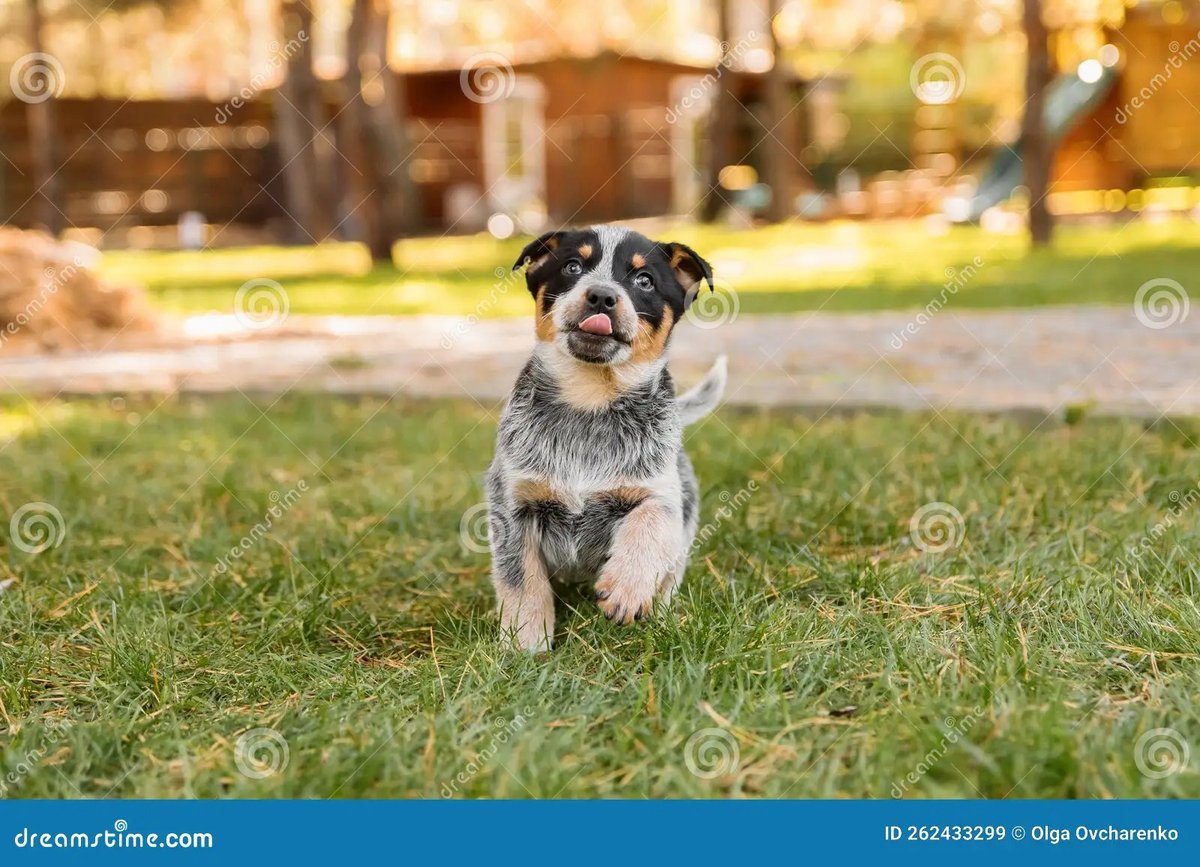
Ready for a companion that matches your energy, wits, and outdoor spirit? Then it’s time to dig into the Australian Cattle Dog (Blue Heeler) Breed Profile. These remarkable dogs are more than just striking blue or red coats; they’re a whirlwind of loyalty, intelligence, and tireless drive, designed for life on the move. Known for their distinct speckled patterns and unwavering work ethic, Blue Heelers demand an active lifestyle, but in return, offer unparalleled devotion.
Australian Cattle Dog (Blue Heeler) At a Glance
- Origin: Australia, mid-1800s, bred for herding cattle.
- Temperament: Loyal, energetic, highly intelligent, protective, cautious with strangers, playful.
- Size: Medium; 17-20 inches tall (males), 17-19 inches (females); 31-53 pounds.
- Coat: Short, dense, smooth double coat; blue or red speckled/mottled patterns.
- Shedding: Moderate year-round, heavier seasonally. Not hypoallergenic.
- Exercise Needs: Very high; 1-2 hours of vigorous exercise daily.
- Training: Easy to train, but requires consistency, positive reinforcement, and early socialization.
- Health: Generally robust, but predisposed to PRA, deafness, hip/elbow dysplasia, lens luxation.
- Lifespan: 12-16 years.
- Best Suited For: Active individuals or families with older children, experienced dog owners, those who can provide significant mental and physical stimulation.
The Story Behind the Blue Heeler: A True Aussie Original
To truly appreciate an Australian Cattle Dog, you need to understand their roots. Picture the vast, rugged landscapes of 19th-century Australia, where early settlers struggled to manage wild cattle across immense distances and scorching heat. Traditional herding dogs couldn't cope with the conditions or the cattle's sheer stubbornness. This challenge led to the intentional creation of a new breed, one specifically engineered for the job.
Around the mid-1800s, visionary breeders combined forces, intermixing Blue Merle Smooth Highland Collies for their intelligence and herding prowess with the incredibly tough, silent hunting skills of the native Australian Dingo. Some theories even suggest additions of Dalmatians (for loyalty and endurance) and Bull Terriers (for tenacity). The result? A medium-sized, muscular powerhouse with an instinct to "heel" or nip at the ankles of stubborn cattle, hence the "Heeler" moniker. These dogs, also known as Red Heelers or Queensland Heelers, were bred to be resilient, intelligent, and utterly dedicated to their work, capable of covering long distances in intense heat.
Spotting a Cattle Dog: Distinctive Looks & Build
An Australian Cattle Dog's appearance is a testament to its working heritage. These are medium-sized dogs, built for endurance and agility, not bulk. Males typically stand between 17 and 20 inches (43.2-50.8 cm) tall, while females are slightly smaller at 17 to 19 inches. You can expect them to weigh anywhere from 31 to 53 pounds (14.1-24.0 kg), with a compact, muscular frame. They usually reach their full height around one year of age and continue to fill out with muscle until they're about two years old.
Their most defining feature is their coat: a short, dense, smooth double layer that offers protection against both harsh sun and cold. This double coat gives them excellent insulation but does mean they shed moderately year-round, with heavier shedding during seasonal changes. For anyone with allergies, it’s important to note that Australian Cattle Dogs are not hypoallergenic, as their shedding can trigger reactions.
Beyond the coat, look for their alert, pricked ears, always seeming to scan their surroundings. Their medium-length tail is usually carried low, with a slight upward curve, often wagging with focused intensity rather than exuberant sweeps. Their paws are strong and compact, perfectly suited for traversing varied and rough terrain, though they do not have fully webbed feet. These are dogs built for function, every feature designed to support their tireless work ethic.
Inside a Blue Heeler's Mind: Intelligence & Personality
Beneath that speckled coat lies one of the sharpest minds in the canine world. Australian Cattle Dogs consistently rank among the smartest breeds, with canine psychology expert Stanley Coren placing them among the top 10 clever canines. This intelligence makes them quick learners, exceptional problem-solvers, and dogs with an incredible work ethic. They thrive on challenges and possess a remarkable ability to make independent decisions, a trait honed from their herding days where they often had to make split-second choices without direct handler commands.
Their temperament is a fascinating blend of qualities:
- Loyal & Protective: They form incredibly strong bonds with their families, often shadowing their favorite person. This loyalty extends to a protective instinct, making them excellent watchdogs.
- Energetic & Courageous: They have boundless energy and a courageous spirit, rarely backing down from a perceived threat or a difficult task.
- Cautious with Strangers: Their protective nature often translates into wariness around new people. While not inherently aggressive, their reserved demeanor can sometimes be misinterpreted. Early and consistent socialization is crucial to help them distinguish between friend and foe.
- Independent & Stubborn: While intelligent, they are also independent thinkers. This can sometimes manifest as stubbornness, especially if they don't see the point of a command or if they think their way is better. A strong, consistent leader is key.
- Playful: Despite their serious work ethic, Cattle Dogs are also deeply playful with their trusted companions, often enjoying games of fetch, tug, or chase.
Understanding this complex personality is the first step in raising a well-adjusted Cattle Dog. Their sharp minds need engagement, and their cautious nature needs gentle guidance. For more insights into fostering their mental capabilities, you might find articles on raising an intelligent dog particularly helpful.
Fueling the Fire: Exercise and Mental Stimulation
Let's be clear: Australian Cattle Dogs are not couch potatoes. They possess extremely high energy levels and impressive endurance. To be happy and well-behaved, they need significant daily exercise and mental stimulation – we're talking a minimum of one to two hours of vigorous physical activity every single day, often more. This isn't just a leisurely stroll; it means brisk walks, runs, hikes, or engaging in canine sports.
Think about activities like:
- Canine Sports: Agility, obedience trials, flyball, and competitive herding are fantastic outlets for their physical and mental prowess.
- Long-Distance Runs: They make excellent running partners.
- Swimming: Many Cattle Dogs absolutely love water and swimming, which is a great low-impact exercise option.
- Active Play: Fetch, frisbee, or vigorous tug-of-war games in a securely fenced yard are essential.
Beyond physical exertion, their brilliant minds crave stimulation. Boredom is the enemy of a Cattle Dog, often leading to undesirable behaviors like excessive barking, destructive chewing, or obsessive habits. Puzzle toys, interactive feeders, scent work, and varied training tasks are crucial to keep their minds sharp and engaged.
Ideally, an Australian Cattle Dog thrives in a home with a large, secure yard where they can burn off energy, alongside a spacious indoor environment for play. While they can adapt to apartment living, it's far from ideal and demands an even greater commitment from owners to provide consistent, rigorous daily exercise outside the home. Neglecting their exercise needs is not an option if you want a calm, happy companion. To explore more about the best ways to keep these working breeds active, consider reading about effective exercise for herding dogs.
Training Your Clever Canine: Consistency is Key
Training an Australian Cattle Dog is generally a rewarding experience thanks to their high intelligence and eagerness to learn. However, their independent streak means that consistency, patience, and positive reinforcement are absolutely essential. They respond best to clear, firm, but fair guidance.
Here's what to focus on:
- Early & Consistent Socialization: This is paramount. Expose your puppy to a wide variety of sights, sounds, people, and other well-behaved dogs from a young age. This helps manage their natural wariness of strangers and their powerful herding instincts.
- Managing Herding Instincts: Their innate desire to herd means they may try to nip at the heels of moving objects – including children or even adults. This isn't aggression, but a manifestation of their working drive. Consistent training can redirect this behavior, but supervision is always necessary, especially with young children. Remember, their bite force is quite respectable at 230-250 PSI, so managing this instinct is crucial.
- Positive Reinforcement: These dogs thrive on praise, treats, and toys. Harsh corrections are counterproductive and can damage their trust.
- Mental Challenges: Incorporate training into their daily routine, teaching new tricks, practicing obedience commands, or engaging in "find it" games. This not only reinforces good behavior but also provides vital mental stimulation.
- Barking Management: While they don't necessarily growl more than other breeds, Cattle Dogs can be prone to excessive barking, particularly when bored, under-stimulated, or left alone too long. Addressing their physical and mental needs is the best way to curb this.
A Family Dog with a Job: Integrating into Your Home
Australian Cattle Dogs are deeply devoted to their families, but they aren't necessarily the overtly affectionate, constantly-on-your-lap type of dog. Their affection often manifests as quiet loyalty and a desire to be near you, ready for the next adventure.
When considering an Australian Cattle Dog as a family pet, here's what to know:
- Best Fit: They are best suited for active individuals or families who understand and embrace their high energy levels and demand for engagement. Owners should be prepared to dedicate significant time to their exercise, training, and mental stimulation.
- Children: They can thrive in families with older, respectful children who can participate in their training and exercise. However, their strong herding instincts mean interactions with young children and toddlers (who move unpredictably) must always be supervised. They may attempt to "herd" little ones by nipping at their heels, which can be frightening for a small child.
- Other Pets: With good socialization, Cattle Dogs generally get along well with other dogs and even cats, though their herding instincts might kick in with smaller, faster-moving animals. Introductions should be careful and supervised.
- Separation Anxiety: These intelligent and people-oriented dogs can be prone to separation anxiety if left alone for extended periods. Ideally, someone should be around for most of the day, or strategies for managing loneliness (like puzzle toys or dog walkers) need to be in place. Learn more about preventing separation anxiety in dogs to ensure your Heeler stays happy.
- Service Roles: Their intelligence, work ethic, and focus make them excel in specific service roles, such as search and rescue, detection work, or even some therapy tasks. However, their high energy and strong herding instincts mean they are not suitable for all service tasks. For those curious about a certain blue dog's popularity, you might be interested in exploring What dog is Bluey? and how that reflects the breed's engaging nature.
Low-Maintenance Grooming for an Active Life
Despite their dense double coat, Australian Cattle Dog grooming is relatively low maintenance, which is a blessing for active owners.
- Shedding: They shed moderately year-round, with heavier "blowouts" during seasonal changes (typically spring and fall).
- Brushing: Daily or weekly brushing with a slicker brush or deshedding tool is usually sufficient to manage loose fur, reduce shedding in the house, and keep their coat healthy. During heavy shedding periods, you might need to brush more frequently.
- No Haircuts: Crucially, Australian Cattle Dogs do not require haircuts. Their double coat provides natural insulation, protecting them from both heat and cold. Cutting their coat can disrupt this natural temperature regulation and potentially lead to skin issues.
- Bathing: They only need bathing every two to three months, or as needed if they get particularly dirty. Over-bathing can strip their coat of natural oils, leading to dry skin.
- Nails, Ears, Teeth: Regular nail trims, ear checks (especially after swimming), and dental hygiene are also important parts of their routine care. For more tips on keeping your dog's coat healthy, consider resources on managing dog shedding.
Fueling the Athlete: Nutrition for Your Cattle Dog
A high-quality diet is crucial for maintaining the health and energy of your Australian Cattle Dog. Look for dog food packed with animal-based proteins as the primary ingredient, complemented by healthy fats, complex carbohydrates, and essential vitamins and minerals.
The exact amount of food will depend on several factors: the specific brand and type of food, your dog's age, size, metabolism, and activity level. Working dogs will naturally require more calories than less active companions. Avoid simply feeding excessive portions; instead, focus on nutrient density and adjust according to their body condition and energy output. Consult your veterinarian for personalized dietary recommendations.
Safeguarding Their Health: Common Concerns
Australian Cattle Dogs are generally a robust and healthy breed, often living long lives of 12 to 16 years. However, like all purebreds, they are predisposed to certain inherited health issues. Responsible breeding practices, including health screening of parent dogs, are vital to mitigate these risks.
Key health concerns to be aware of include:
- Progressive Retinal Atrophy (PRA): This is a degenerative eye disease that leads to night blindness and eventually complete vision loss. There is currently no known treatment or cure, though dogs can adapt remarkably well to blindness with owner support.
- Deafness (Congenital Hereditary Sensorineural Deafness - CHSD): An inherited condition present at birth, affecting sensory cells in the inner ear. It can result in unilateral (one ear) or bilateral (both ears) deafness, requiring owners to adapt training techniques (e.g., hand signals).
- Hip and/or Elbow Dysplasia: These are inherited conditions where the hip or elbow joints form abnormally, leading to pain, lameness, and early-onset arthritis. Surgical intervention may be possible before arthritis fully develops.
- Lens Luxation: This occurs when the eye lens dislocates due to weakened support ligaments. It can cause secondary glaucoma, significant pain, and blindness if not surgically corrected.
When choosing a puppy, it's paramount to purchase from reputable breeders who conduct thorough health screenings and genetic testing on their breeding stock. This foresight can significantly reduce the likelihood of these inherited conditions. For a broader understanding of how to reduce health risks in any breed, check out resources on preventing canine health issues.
Beyond Purebred: Popular Australian Cattle Dog Mixes
The unique traits of the Australian Cattle Dog make them a popular choice for crossbreeding, often resulting in dogs with a compelling blend of characteristics. While their temperament, appearance, and health will vary widely depending on the specific breeds involved, some common mixes include:
- Aussimo: Australian Cattle Dog + American Eskimo Dog
- Pit Heeler: Australian Cattle Dog + American Pit Bull Terrier
- Basset Heeler: Australian Cattle Dog + Basset Hound
- Boston Cattle Dog: Australian Cattle Dog + Boston Terrier
- Cattle Collie Dog: Australian Cattle Dog + Collie
- Cattle Shepherd: Australian Cattle Dog + German Shepherd
- Ausky: Australian Cattle Dog + Siberian Husky
These mixes often inherit the Cattle Dog's intelligence and energy but may have different coat types, sizes, or temperamental nuances from the other parent breed. Researching both parent breeds is crucial if you're considering a mixed-breed dog.
Is an Australian Cattle Dog Right for You? Making an Informed Choice
Bringing an Australian Cattle Dog into your life is a significant commitment, but for the right owner, it's an incredibly rewarding experience. These aren't simply pets; they are partners in adventure, brilliant minds seeking purpose, and loyal shadows who thrive on connection.
Before you decide, honestly assess your lifestyle:
- Do you lead an active life? Are you ready for daily vigorous exercise, rain or shine?
- Can you commit to ongoing training and mental stimulation? Their intelligence needs an outlet, or it will find its own, often destructive, entertainment.
- Are you prepared for their strong herding instincts? This includes potential nipping or attempting to control movement, which requires consistent management. You can learn more about managing this specific behavior by looking into understanding dog herding behavior.
- Do you have the time and patience for early socialization? Helping them become well-adjusted dogs around strangers and other animals is crucial.
- Is your home environment suitable? A secure yard is ideal, and apartment living demands exceptional dedication to outdoor activity.
If you can confidently answer yes to these questions, then the unwavering loyalty, sharp wit, and adventurous spirit of an Australian Cattle Dog might just be the perfect match for you. They will challenge you, push you to be more active, and reward you with a bond unlike any other.